
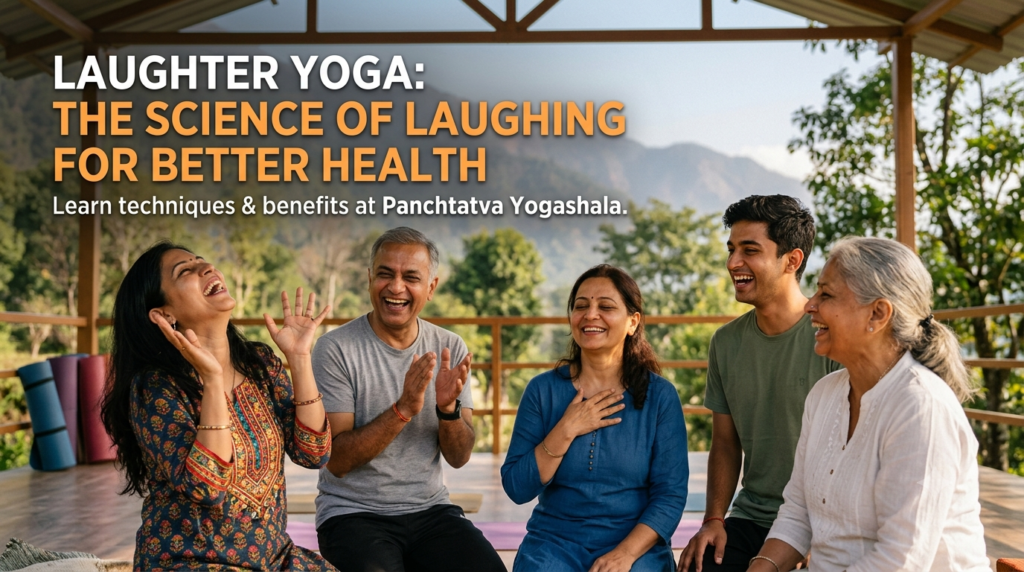
Have you ever laughed so hard at something silly that your stomach ached, only to feel lighter the rest of your day afterward? There’s real science behind why laughing makes us feel good. And there’s an entire practice built around it called laughter yoga.
If you’ve never heard of it, you’re not alone. Many people hear the term and think it’s some kind of joke, or maybe a yoga class where the teacher tells funny stories. It’s nothing like that. Laughter yoga is a genuine wellness practice that combines simple laughter exercises with deep breathing, and it’s been helping people around the world feel calmer, healthier, and more connected for over two decades.
Let’s talk about what it really is, how it works, and why it might be beneficial to try it, even if you think you’re too serious for it.
What exactly is laughter yoga?
Laughter Yoga was founded in 1995 by Dr. Madan Kataria, a Mumbai-based physician. He had read research showing that laughter has real health benefits, such as reducing stress hormones, boosting immunity, and improving mood. But he noticed something interesting: You don’t actually need a joke or a funny situation to reap these benefits. Your body can’t distinguish between genuine laughter and laughter you deliberately initiate.
So he designed a practice in which people laugh intentionally, in groups, using simple, fun exercises. Within a few minutes, the laughter usually becomes genuine. It starts as acting and almost always turns into the real thing.
That’s the heart of laughter yoga. It’s not about humor. It’s about deciding to laugh and allowing your body and mind to follow suit.
The yoga part comes from breathing. Most sessions combine laughter exercises with yogic breathing techniques, which is why it’s sometimes called laughter therapy or laughter exercises. You move, you breathe deeply, you laugh, and you reset.
How does a laughter yoga session actually work?
If you’re attending a session for the first time, here’s a rough outline of what you can expect.
It usually starts with clapping and chanting. Something simple like ho ho ha ha ha while clapping. It sounds strange, and that’s the point. It loosens you up before you start laughing.
Then come the laughter exercises. These are short, fun activities where people pretend to laugh in different situations. For example, phone laughter, where you pretend you’ve just received the funniest call. Or lion laughter, where you stick out your tongue and laugh out loud at the same time. Each exercise lasts just a minute or two.
Deep breathing is also done in between. After a round of laughter, the group takes a slow, deep breath. This is important. It calms the nervous system and prepares you for the next round.
It usually ends with laughter meditation. Everyone sits or lies down and just laughs without any structure, letting it flow naturally. By this point, most people are genuinely laughing, not because something is funny, but because their bodies have caught the rhythm.
A full session usually lasts between 20 to 45 minutes. No mats, no flexibility, no special clothes needed. Anyone can do it, including people who think they have never been good at yoga.
Why Laughter Yoga Works So Well
This is the part people are usually most curious about.
How can fake laughing turn into real benefits?
The answer is in your body’s chemistry. When you laugh, even on purpose, your brain releases endorphins, the same feel good chemicals released during exercise. Your stress hormone, cortisol, drops. Your heart rate increases slightly and your oxygen intake improves, similar to a short cardio workout.
There is also a social piece to this. Laughter is contagious. When you are in a room full of people laughing together, even if it started as an exercise, your brain mirrors what it sees. This is why group laughter yoga sessions tend to feel more powerful than laughing alone.
Many people who practice laughter yoga regularly report:
- Lower stress and anxiety levels
- Better sleep
- Improved mood through the day
- Stronger sense of connection with others
- More energy, almost like a natural pick me up
- A general feeling of lightness, even on hard days
It is worth saying clearly that Laughter Yoga is not a replacement for medical or mental health treatment. But as a daily practice to manage everyday stress, it has earned a strong reputation, and it is backed by ongoing research in the fields of psychology and wellness.
What Does Science Say About Laughter Yoga?
This is where things get genuinely interesting, because Laughter Yoga is not just a feel good idea. Researchers have actually studied what happens inside the body when people laugh, real or simulated, and the results back up what practitioners have been saying for years.
Reduced cortisol levels. Cortisol is your body’s main stress hormone. Studies on laughter therapy have found that sessions of simulated laughter can lower cortisol levels measurably, sometimes within a single session. Less cortisol in your system generally means less of that tense, on edge feeling that builds up during a stressful day.
Increased endorphins. Endorphins are your brain’s natural painkillers and mood lifters. They are the same chemicals released during exercise, which is part of why a laughter yoga session can leave you feeling like you just had a light workout, even though all you did was laugh and breathe.
Better mood and reduced symptoms of low mood. Several small clinical studies, including ones conducted with older adults and with people managing workplace stress, have shown improvements in mood scores after regular laughter yoga practice. The effect is not instant or permanent on its own, but it builds with consistency, much like meditation or exercise.
Improved social bonding. Laughing in a group activates mirror neurons, the same brain cells responsible for empathy and connection. This is likely why people often describe laughter yoga sessions as feeling more bonding than expected, even among strangers who just met that day.
None of this means laughter yoga is a cure for anything serious. But as a low risk, zero cost practice with measurable effects on stress hormones and mood, it has earned a legitimate place in modern wellness research, not just in yoga folklore.
Who Can Practice Laughter Yoga?
Almost anyone. That is one of the best things about it.
You don’t need to be flexible. You don’t need any equipment. You don’t even need a sense of humor, which surprises a lot of beginners. Children, elderly people, office workers, students, and even people recovering from illness have all taken up laughter yoga in some form.
It is especially popular among:
- People dealing with chronic stress or burnout
- Senior citizens looking for low impact ways to stay active and social
- Corporate teams wanting a quick energy boost during long work days
- People going through emotionally heavy times, who want something gentle to lift their mood
- Anyone curious about mindfulness practices but looking for something more playful than sitting in silence
Some yoga studios now offer laughter yoga as part of their regular class schedule, alongside more traditional practices like Hatha or breathwork sessions.
How We Use Laughter Yoga at Panchtatva Yogashala
At Panchtatva Yogashala, laughter yoga isn’t treated as a side activity. It’s incorporated into our weekly schedule as a warm-up before deeper pranayama and meditation sessions, which typically take place early in the morning when students are a little sleepy and need something to gently awaken their body and mind.
We’ve noticed something over the years: Students who arrive calm, stressed, or distracted almost always leave the laughter yoga portion of class feeling more relaxed and present. This calms the room before we enter into the silence, making the subsequent meditation and breathwork feel deeper rather than forced.
A typical session in our classes lasts about 15 to 20 minutes before the main class. We start with simple clapping and chanting, do the three or four laughter exercises mentioned above, and finish with a short round of deep breathing. New students often hesitate for the first minute or two. By the end, most of them are laughing without any prompting, and some have told us it’s the part of the week they look forward to the most.
We’ve found that laughter yoga is especially beneficial for students who have high-stress jobs, are recovering from a difficult period, or simply find it difficult to settle into traditional silent meditation. It gives the mind a chance to do something playful first, making it easier to understand the calmer practices that follow.
This is one reason we keep laughter yoga a regular part of our offerings, rather than just an occasional novelty. It truly supports the rest of the practice, not just the mood of the room.
Easy Laughter Yoga Exercises You Can Try at Home
You don’t need a class to get started. Here are some beginner-friendly exercises you can try right now, even alone in your room.
1. Greeting, Laughing
Walk around your room, and every few steps, pretend to greet an imaginary person with laughter instead of words. Sounds strange, but surprisingly, it works very well.
2. Milkshake Laugh
Imagine you’re mixing a drink in your hands, then drink it and start laughing as if it tastes amazing. This often makes people laugh for real in just a few seconds.
3. Silent Laughter
Open your mouth wide and laugh without making any sound, just using your facial muscles and breath. It may feel awkward at first, but if you’re shy, it’s a great way to start.
4. Gradient Laughter
Start with a small smile, then a light laugh, then gradually build to full-blown laughter over about 30 seconds. This is great for before bed or after a stressful meeting.
Try any of these for just two minutes a day for a week and see how your mood changes. Most people are surprised by how quickly it works, even if they feel silly doing it.
Some Honest Tips for Beginners
If you’re new to this, here’s some advice that really helps.
Don’t wait until you feel like laughing before you start. The whole idea is that the laughter comes first, and the real feeling follows. Wait a few minutes before deciding it’s not for you.
Try it with other people if possible. This practice actually works better when done in a group, thanks to the cascading effect we talked about earlier.
Be regular. Like any practice, its benefits add up over time. One session can make you feel good for an hour. A regular routine can transform your entire stress level and outlook over weeks.
And finally, don’t overthink it. This is one of the few wellness practices where it’s virtually impossible to get it wrong. If you’re moving, breathing, and trying to laugh, you’re doing it right.
Final Thoughts
Laughter yoga occupies an interesting space between exercise, meditation, and pure happiness. It demands very little from you: no equipment, no special skills, and no quiet room and gives so much in return. Reduced stress, an improved mood, and a few minutes of genuine connection with those around you.
In a world where most wellness routines feel like another task on your to-do list, this one feels different. It’s light. It’s human. And honestly, it might just be one of the easiest healthy habits you can form, because it feels good the first time you try.
So the next time your day feels overwhelming, give yourself two minutes. Stand up, take a deep breath, and laugh, even if you have to pretend at first. Your body will probably take it from there.
1. Is Laughter Yoga the same as regular yoga?
Not exactly. Traditional yoga focuses on postures, stretching, and breath control. Laughter Yoga focuses mainly on laughter exercises combined with deep breathing. It does not require flexibility or physical postures, which makes it accessible to almost everyone, regardless of fitness level.
2. Can Laughter Yoga help with anxiety and stress?
Many people who practice it regularly report lower stress and anxiety levels. This is partly because laughter reduces cortisol, the body’s main stress hormone, and increases endorphins. That said, it works best as a supportive daily habit, not as a replacement for professional mental health support if you need it.
3. Do I need a partner or group to practice Laughter Yoga?
No, you can practice alone using simple laughter exercises at home. However, group sessions tend to feel more powerful because laughter spreads easily from person to person. If you can join a class or even practice with one friend, you will likely notice quicker results.
4. How long does it take to feel the benefits of Laughter Yoga?
Most people notice a mood lift within the very first session, sometimes within just a few minutes. Longer term benefits, like better sleep and reduced overall stress, usually build up with regular practice over a few weeks, similar to building any other healthy habit.