Butterfly Yoga Benefits: Feel Better, Move Better
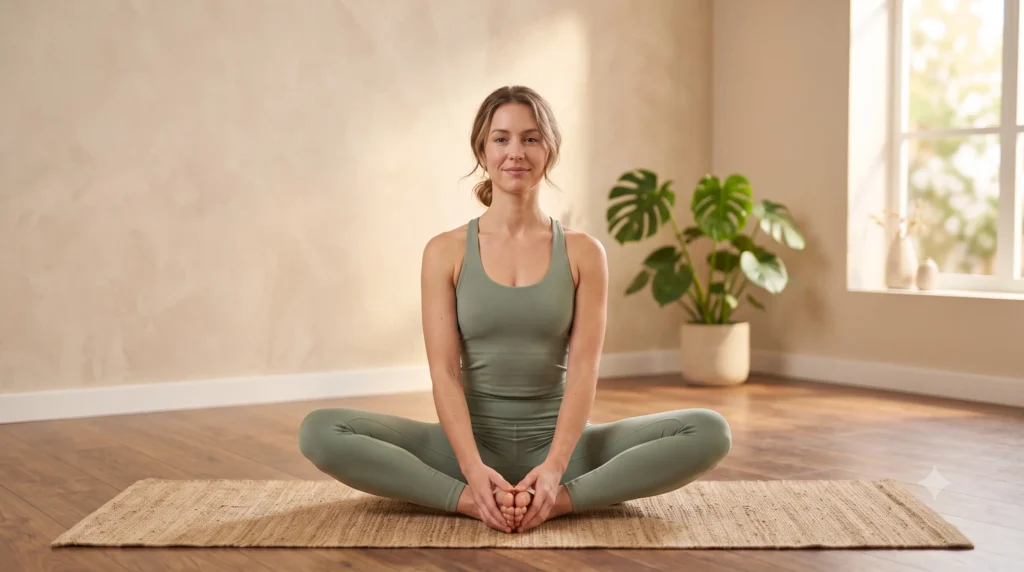
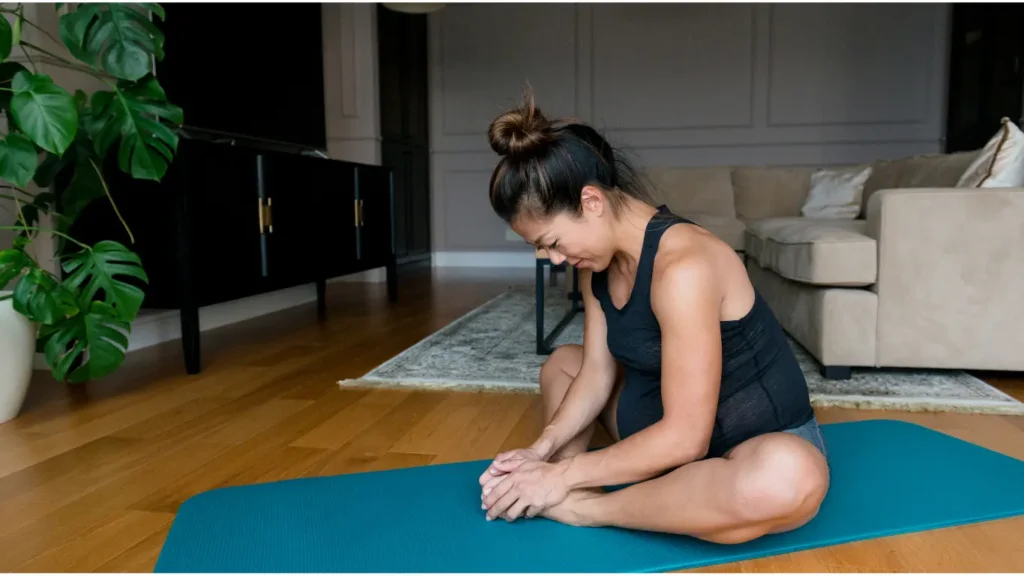
If you’ve ever sat cross-legged on the floor and slowly flapped your knees up and down like wings, you’ve likely tried some version of the butterfly pose. Known as Titli Asana in Sanskrit (and in its more formal form, Baddha Konasana), this simple seated pose is one of the most recommended stretches in yoga for hip opening, flexibility, and relaxation.In this guide, we’ll explain the true benefits of butterfly yoga, how to do the butterfly pose correctly, who should avoid it, and how it fits into a regular yoga routine. Whether you’re a beginner or experienced, this post will help you understand why this small, simple movement This post will help you understand why you should include this small, simple movement in your daily practice, whether you’re a beginner or experienced. in your daily practice. What is Butterfly Pose? Butterfly Pose is a seated yoga posture in which you sit with the soles of your feet pressed together, knees bent outward, and slowly raise your legs up and down much like the wings of a butterfly. It is often used as a warm-up or cool-down pose because it is lightweight, requires no equipment, and can be performed by almost anyone, including beginners, pregnant women (with some variations), and older adults.Butterfly Pose is commonly known as Titli Asana in many Indian yoga traditions and resembles Baddha Konasana, the classical Sanskrit name used in many modern yoga schools.Because it targets the hips, groin, and inner thighs, this pose is often recommended in prenatal yoga, physiotherapy routines, and general flexibility training.A Brief HistoryButterfly Pose has been practiced in traditional yoga for centuries, often used to prepare the hips and pelvis for longer seated meditation poses. It appears in classical Hatha Yoga texts as a preparatory pose, valued for gently opening the joints before deep-seated or meditative practice.Muscles Worked in Butterfly PoseUnderstanding which muscles are involved can help you feel the pose more mindfully and avoid straining the wrong parts. Muscles Stretched: Muscles Engaged: Top Butterfly Yoga Benefits Let’s explore the main butterfly yoga benefits that make the pose worth adding to your daily practice. 1. Improves Hip and Groin Flexibility The most well-known benefit of butterfly pose is its ability to open up the hip joints. Regular practice may help loosen tight hip flexors and inner thigh muscles, which is especially useful for people who sit for long hours at a desk. 2. Supports Better Posture By stretching the hips and lower back region, butterfly pose may help correct alignment issues caused by prolonged sitting. Improved hip mobility often translates into a more upright, comfortable sitting posture over time. 3. May Ease Menstrual Discomfort Many yoga teachers recommend butterfly pose during menstruation because the gentle hip-opening movement may help improve blood circulation in the pelvic area. Some practitioners report reduced cramping, though this benefit is based on traditional practice and individual experience rather than strong clinical evidence. 4. Prepares the Body for Childbirth In prenatal yoga classes, butterfly pose is a staple because it gently opens the pelvis and hips. Many prenatal instructors suggest it may help the body prepare for labor, though pregnant practitioners should always consult their doctor before starting or continuing any yoga practice. 5. Calms the Mind and Reduces Stress Like most seated, grounding postures, butterfly pose encourages slow breathing and mindfulness. This combination may help lower stress levels and quiet a busy mind, making it a beneficial pose to practice before bed or during a short meditation break. 6. Aids Digestion The gentle compression created by folding forward in butterfly pose may stimulate the abdominal organs, which some practitioners believe supports better digestion. As with several traditional yoga claims, this assertion is based more on yogic philosophy than modern scientific research. 7. Strengthens Inner Thighs and Lower Back While it looks like a passive stretch, holding butterfly pose actively engages the inner thigh muscles and lower back, gradually improving strength and control in these areas over time. 8. Good for Beginners and All Fitness Levels Because it doesn’t require balance, strength, or advanced flexibility, butterfly pose is one of the most accessible poses in yoga making it ideal for beginners, seniors, and anyone recovering from a sedentary lifestyle. How to Do Butterfly Pose: Step-by-Step Here’s a simple, safe way to practice this pose at home. Practicing this for 3–5 minutes daily, ideally in the morning or before bed, is enough to start noticing improvements in hip flexibility. Common Mistakes to Avoid Small errors in alignment can reduce the benefits of this pose or lead to unnecessary strain. Watch out for these common mistakes: Correcting these small habits makes the pose safer and more effective over time. Beginner Modifications If your hips or inner thighs feel tight, these simple modifications make the pose more accessible: These modifications let beginners build flexibility gradually without discomfort. Butterfly Pose Variations Variation How It’s Done Best For Reclined Butterfly Lie on your back with the soles of your feet together and knees open. Deep relaxation and gentle practice Forward Fold Butterfly Sit with the soles of your feet together and gently fold your torso forward. A deeper hip and back stretch Supported Butterfly Place cushions or blocks under your knees for extra support. Beginners or people with tight hips Dynamic Butterfly Gently move or flap your knees up and down for 30–60 seconds. Warming up the hips before other poses Dynamic Butterfly Static Butterfly Used as a warm-up Used as a deeper stretch Improves joint mobility Improves flexibility Best before yoga or workouts Best after yoga or during a cool-down Involves gentle movement Involves holding the stretch Helps prepare the hips and knees Helps release tight hips and inner thighs A good routine often includes both: start with dynamic flapping to warm up the joints, then move into a static hold for a deeper stretch. Who should avoid the Butterfly Pose? As with any yoga pose, it’s a beneficial idea to consult a doctor or certified yoga instructor before beginning, especially if
Butterfly Yoga Benefits: Feel Better, Move Better Read More »