
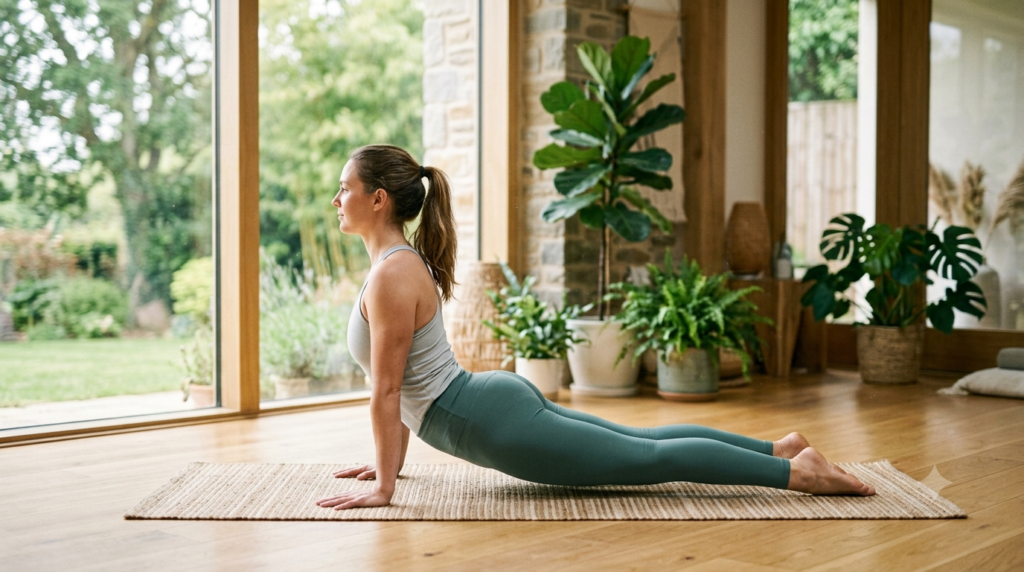
Yoga Poses Cobra: Simple Steps for Better Back Health
If you’ve ever searched for cobra-style yoga poses, you’ve probably come here because this pose appears in almost every beginner’s yoga routine and for good reason. yoga Cobra Poses, called Bhujangasana in Sanskrit, is one of the simplest backbends you can learn, yet it’s incredibly effective at strengthening your spine, opening your chest, and awakening your entire body in the morning. Common variations, poses to practice before and after, and how it differs from similar poses like Upward-Facing Dog. Whether you’re a complete beginner or someone who’s perfecting their form, this article will help you practice Cobra Pose safely and confidently. What is Cobra Pose (Bhujangasana)? The word “Bhujanga” in Sanskrit means snake or cobra, and “asana” means pose. So Bhujangasana simply means “snake pose” or “cobra pose” it’s so named because its final shape resembles a cobra raising its hood from the ground. Pronounced: bhu-jang-gah-suh-nuh. It’s a gentle backbend done while lying on your stomach. You press your palms into the mat and lift your chest up, keeping your lower body on the ground. It’s part of the Surya Namaskar (Sun Salutation) sequence, which is why many people practice it early in their yoga journey. Of all the yoga poses with cobra-style movements, this one stands out because it’s easy for almost every fitness level, requires no equipment, and takes less than a minute to do. Benefits of Cobra Pose Before discussing the benefits, it’s important to state the obvious: Yoga poses like Cobra can be beneficial for your overall health, but they are not a substitute for any treatment or medical treatment. With this in mind, regular practice can: 1. Strengthens the spine and back muscles. Cobra pose activates the spinal muscles, especially the lower back. Over time, this can help build strength and improve posture, especially if you sit at a desk most of the day. 2. Improves flexibility in the chest and shoulders. As you lift up into this pose, your chest opens and your shoulders roll back. This gentle stretch can help correct the forward-slouching posture caused by constant phone and laptop use. 3. May help relieve mild back stiffness. Many people report feeling a loosening in their lower back after a few rounds of Cobra Pose, especially when done slowly and with breathing. For this reason, it’s often used in physiotherapy-inspired stretching routines, though it shouldn’t replace treatment for existing back conditions. 4. Helps improve breathing. The chest-opening action of this pose creates more space for your lungs to expand, making each breath feel deeper and fuller during practice. 5. Supports abdominal muscles. The gentle contraction and extension of your abdominals as you move in and out of this pose can help activate your core over time. 6. May reduce stress and improve mood. Backbends like Cobra Pose are often described as energizing. Although the science on yoga and mood is still developing, many practitioners find that opening their chest and slowing their breathing helps them feel calmer and more alert. Note: Claims that Cobra Pose “cures” digestive disorders, thyroid problems, or major back injuries are exaggerated and lack solid scientific evidence. Consider this asana a helpful addition to a balanced routine, not a medical treatment. How to Do Cobra Pose: Step-by-Step Instructions Here’s a simple way to safely perform this pose: Breathing Tips for Cobra Pose Common Mistakes to Avoid Variations of Cobra Pose Poses to Practice Before Cobra Pose Beginner-Friendly Modifications If you’re new to backbends or have a sensitive lower back, try these adjustments in addition to the variations above: Progress gradually. Flexibility in backbends builds over weeks and months, not days. Who Should Be Cautious with Cobra Pose While this is generally a beginner-safe pose, a few groups should approach it carefully or avoid it: If you fall into any of these categories, it’s best to consult a doctor or a qualified yoga instructor before attempting this pose. Cobra Pose vs Upward-Facing Dog: What’s the Difference? These two poses are often confused because they look similar, but they’re distinct: Feature Cobra Pose (Bhujangasana) Upward-Facing Dog (Urdhva Mukha Svanasana) Hips and thighs Stay on the ground Lift off the ground Arms Elbows bent, close to the body Arms mostly straight Intensity Gentler backbend Deeper backbend, more advanced Best for Beginners, gentle spine warm-up Intermediate practitioners with more spinal flexibility If you’re just starting your yoga journey, stick with Cobra Pose until you build enough strength and flexibility to safely explore Upward-Facing Dog. How Often Should You Practice Cobra Pose? For most people, practicing Cobra Pose 3–5 times in a session, a few times a week, is enough to notice gradual improvements in flexibility and back strength. It also works well as part of a morning stretch routine or as a warm-up before deeper backbends. How do you pronounce Bhujangasana? It’s pronounced Bhoo-jung-GAAH-suh-nuh. In English, it’s simply called Cobra Pose. Is Cobra Pose good for beginners? Yes. It’s one of the most beginner-friendly backbends in yoga, as long as it’s practiced with proper form and without forcing the lift. When should I inhale and exhale during Cobra Pose? Inhale as you lift your chest off the mat, breathe normally while holding the pose, and exhale as you lower back down. Can Cobra Pose help with back pain? It may help ease mild stiffness and improve back strength over time, but it’s not a treatment for chronic or severe back pain. Speak with a doctor if you have ongoing pain. How long should I hold Cobra Pose? Beginners can start with 15–20 seconds and gradually build up to 30 seconds as their strength improves. Is Cobra Pose the same as Upward Dog? No. While they look similar, Cobra Pose keeps your hips and legs grounded, while Upward Dog lifts the thighs off the floor and involves straighter arms. What’s the difference between Cobra Pose and Sphinx Pose? Sphinx Pose keeps your forearms on the mat throughout, making it a gentler backbend, while Cobra Pose involves pressing up through the palms for a
Yoga Poses Cobra: Simple Steps for Better Back Health Read More »