
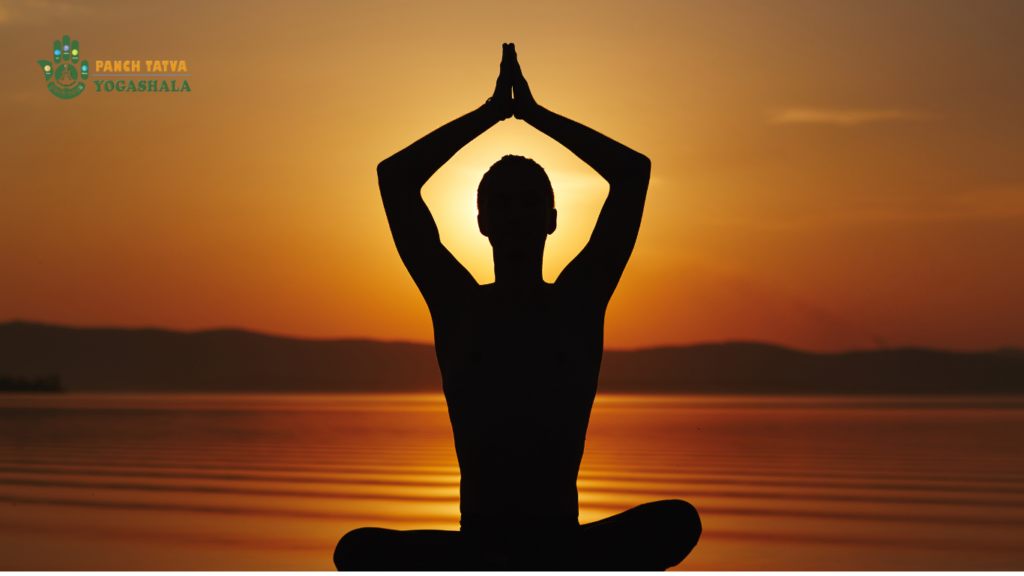
Introduction: Finding Balance Through the 5 Elements of Nature
In today’s busy world, many of us feel tired, stressed, and disconnected without always knowing why. According to ancient Indian wisdom, this happens when the 5 elements of nature inside us fall out of balance.
These five elements Earth, Water, Fire, Air, and Space are known as the Panch Tatva. They make up everything in the universe, including the human body. When they are in harmony, we feel healthy, calm, and full of energy. When they are not, we feel the opposite.
At Panchtatva Yogashala, we use the philosophy of Panch Tatva as the foundation of everything we teach helping you reconnect with nature, your body, and your inner peace through yoga.
What Is Panch Tatva? Understanding the 5 Elements of Nature
The word Panch Tatva comes from Sanskrit, which is one of the oldest languages in the world. It is made up of two words:
- Panch = Five
- Tatva = Element or Essential Truth
So Panch Tatva simply means the five essential elements. According to Ayurveda (the ancient Indian science of health) and yogic philosophy, everything in this universe including the human body is made up of these five elements of nature.
The 5 elements of nature are the following:
- Prithvi Earth
- Jal Water
- Agni Fire
- Vayu Air
- Akash Space
Now, when we say these elements exist inside your body, we do not mean it only in a poetic or symbolic way. We mean it quite literally. Your bones and teeth are made of Earth. Your blood and saliva are water. The heat in your body and your digestion are fire. The oxygen moving through your lungs is air. And the spaces and cavities inside your body your lungs, your intestines, your mind these are space.
Every single thing that happens in your body and mind is connected to these 5 elements of nature in some way. That is why understanding the Panch Tatva is so important for your health.
The 5 Elements of Nature Explained One by One
Let us now look at each of the five elements of nature in detail what they are, how they show up in your body, and what happens when they go out of balance.
1. Earth (Prithvi): The Element That Keeps You Grounded
What is the Earth element?
Earth is everything that is solid and stable in the world. Think of soil, rocks, trees, mountains anything that has weight and form. In your body, the Earth element is everything that gives you structure and solidity.
This includes your bones, muscles, skin, nails, hair, and teeth. It also includes the dense organs in your body like the liver, kidneys, and stomach. Earth energy is what makes you feel physically strong, rooted, and stable.
On a mental and emotional level, the Earth element gives you qualities like patience, reliability, calm, and a sense of safety. When your earth element is strong, you feel grounded as if you have solid ground beneath your feet even during difficult times.
What happens when Earth is out of balance?
When you have too little earth energy, you may feel
- Restless or unable to sit still
- Anxious and insecure, like the ground beneath you is shaky.
- Physically weak, with low body weight or brittle bones
- Disconnected from your body
- Difficulty concentrating or making decisions
When there is too much earthly energy, you may feel
- Sluggish and heavy
- Stuck in old habits, unwilling to change
- Mentally rigid or closed to new ideas
- Overly attached to material things
How does yoga help the Earth element?
Grounding yoga poses are the best way to work with the Earth element. When you stand firmly in a pose, press your feet into the mat, and feel the weight of your body, you are strengthening your connection to Earth energy.
Helpful poses include Tadasana (Mountain Pose), Virabhadrasana (Warrior Pose), and Balasana (Child’s Pose). Walking barefoot on grass or soil is also a wonderful and simple way to restore your Earth element every day.
2. Water (Jal): The Element That Keeps You Flowing
What is the water element?
Water is the element of flow, movement, and nourishment. In nature, water takes the shape of whatever container it fills. It flows around obstacles. It nourishes everything it touches.
In your body, the water element governs all your fluids blood, lymph, saliva, digestive juices, reproductive fluids, and the fluid that cushions your joints. About 60–70% of the human body is water, so this element is deeply important for physical health.
On an emotional level, the water element is connected to feelings, creativity, and flexibility. People with balanced water energy tend to be emotionally open, adaptable, and nurturing. They can go with the flow in life without feeling lost.
What happens when water is out of balance?
When there is too little Water energy, you may notice.
- Dry skin, dry eyes, or dry mouth
- Dehydration or poor kidney function
- Emotional rigidity difficulty expressing or processing feelings
- Creative blocks or lack of inspiration
- Stiff joints or reduced flexibility in the body
When there is too much Water energy:
- You may feel emotionally overwhelmed or overly sensitive.
- You might hold onto emotions like grief or sadness for too long.
- Physically, there may be water retention, bloating, or mucus-related issues.
- You may feel lethargic or excessively clingy in relationships.
How does yoga help the water element?
Hip-opening poses are wonderful for stimulating the water element, because the hips are considered the emotional storehouse of the body. Baddha Konasana (Butterfly Pose), Eka Pada Rajakapotasana (Pigeon Pose), and smooth-flowing Vinyasa sequences all help to restore the water element.
Drinking enough warm water throughout the day, especially in the morning, is also an easy practice to nourish this element.
3. Fire (Agni) : The Element That Fuels You
What is the fire element?
Fire is the element of heat, energy, and transformation. In nature, fire turns raw wood into light and warmth. In your body, the fire element works in a very similar way it transforms what you take in (food, experiences, information) into energy and wisdom.
The fire element in your body governs your digestion, metabolism, body temperature, and vision. It is also deeply connected to your willpower, focus, and confidence. In Ayurveda, the digestive fire is called Agni, and it is considered one of the most important forces for maintaining good health. When your digestive fire is strong, you absorb nutrients well and eliminate waste effectively.
On a mental and emotional level, fire energy brings clarity, ambition, courage, and joy. It is the spark that gets you out of bed in the morning and keeps you motivated throughout the day.
What happens when fire is out of balance?
When there is too little Fire energy:
- Slow digestion, bloating, or constipation
- Low energy and constant fatigue
- Lack of motivation, depression, or mental fog
- Difficulty focusing or making decisions
- Feeling cold all the time
When there is too much Fire energy:
- Anger, irritability, and short temper
- Inflammation in the body (skin rashes, acid reflux, heartburn)
- Burnout from overworking or over-pushing yourself
- Excessive competitiveness or a need to control
- Difficulty sleeping due to an overactive mind
How does yoga help the Fire element?
Core-strengthening poses and twists are the best yoga practices for the Fire element. Poses like Navasana (Boat Pose), Parivrtta Trikonasana (Twisted Triangle), and Surya Namaskar (Sun Salutation) activate and regulate the fire element beautifully.
Breath of fire (Kapalabhati pranayama) is one of the most powerful breathing techniques to stoke healthy digestive fire while also clearing mental fog.
4. Air (Vayu) : The Element That Keeps You Alive
What is the Air element?
Air is the element of movement, breath, and lightness. Without air, nothing lives. In your body, the Air element governs every kind of movement — the breath moving in and out of your lungs, the blood circulating through your veins, the nerve signals traveling through your body, and even the movement of thoughts through your mind.
In yogic tradition, the air element is closely connected to prana the life force energy that animates all living beings. Every time you take a conscious, deep breath, you are working directly with your Air element and your Prana.
On an emotional and mental level, air energy is associated with enthusiasm, joy, quick thinking, communication, and social connection. A balanced Air element makes you feel light, free, and full of life.
What happens when air is out of balance?
When there is too little Air energy:
- Shallow breathing or breathlessness
- Poor blood circulation (cold hands and feet)
- Feelings of heaviness, depression, or disconnection
- Slow thinking or brain fog
- Weak voice or difficulty expressing yourself
When there is too much Air energy:
- Anxiety, worry, and overthinking
- Insomnia or restless sleep
- Dry skin, hair fall, or cracking joints
- A scattered, unfocused mind that jumps from one thought to another
- Feeling ungrounded or floaty in daily life
How does yoga help the Air element?
Pranayama (breathing exercises) is the most direct and powerful way to balance the air element. Even 10 minutes of conscious breathing every morning can make a significant difference.
Nadi Shodhana (Alternate Nostril Breathing) is especially effective it balances both sides of the brain, calms anxiety, and regulates the flow of air energy throughout the body. Gentle backbends like Ustrasana (Camel Pose) and Bhujangasana (Cobra Pose) also open the chest and lungs, inviting more air and prana into your system.
5. Space (Akash) : The Element That Holds Everything Together
What is the space element?
Space, or Akash, is the most subtle of all the 5 elements of nature. It is the element that provides the container for all other elements to exist. Without space, nothing else can be.
In the physical body, the space element governs the open cavities the space inside your lungs, your digestive tract, your ears, your mouth and throat, and the spaces within your joints. On a deeper level, space represents the awareness and consciousness that underlie all your experiences.
The space element is connected to your intuition, your sense of inner stillness, and your ability to experience deep peace. It is the quality in you that can simply be without needing to do, achieve, or become anything.
What happens when space is out of balance?
When there is too little Space energy:
- You feel mentally congested and overwhelmed.
- Difficulty hearing others or truly listening
- A constant need to be busy or stimulated inability to simply sit quietly
- Feeling spiritually disconnected or as though life has no meaning
- Tension in the throat, jaw, or neck
When there is too much Space energy:
- Feeling unrooted, dreamy, or out of touch with reality
- Difficulty completing tasks or following through on commitments
- Excessive detachment from people and responsibilities
How does yoga help the space element?
Stillness is the greatest gift for the space element. Meditation, Shavasana (Corpse Pose), and yoga nidra (yogic sleep) all create the inner spaciousness needed for this element to flourish.
Even something as simple as sitting in silence for 5 minutes each day without your phone, without music, without noise can begin to open up the space element within you.
Why the Balance of Five Elements Matters So Much
Now that you understand each of the 5 elements of nature individually, it is important to understand something bigger: these elements do not work in isolation. They are always interacting with each other, influencing each other, and affecting every aspect of your health.
Think of it like a recipe. If you use too much of one ingredient and too little of another, the dish does not taste right. In the same way, when one or more of the 5 elements of nature is out of proportion in your body, the whole system starts to feel off.
This is why two people with the same illness might feel completely different symptoms. It is why one person thrives on a particular diet while another person feels terrible eating the same food. It is why stress affects some people with insomnia and others with digestive problems. The difference often comes down to which elements are dominant or deficient in each individual.
The goal of yoga, Ayurveda, and practices like those taught at Panchtatva Yogashala is not to force all five elements into perfect equality but to help each person find their own natural balance.
How Do the 5 Elements of Nature Show Up in Daily Life?
Here is something beautiful to notice: you instinctively seek balance with the 5 elements of nature all the time you just may not have been aware of it.
When you feel anxious and scattered (too much air), you crave something warm and heavy to eat, or you feel better after a long walk outside. That is your body seeking the Earth and Fire elements.
When you feel angry and overheated (too much fire), you want cool water, a quiet walk in the shade, or time to breathe slowly. That is your body calling for water and air.
When you feel heavy, stuck, and sluggish (too much earth and water), you want to move, dance, go for a run, or feel the sun on your face. That is your body seeking fire and air.
These instincts are very wise. The problem is that in modern life, we often ignore them. We eat processed food when we are tired instead of resting. We drink coffee when we are anxious instead of breathing. We stare at screens when we need silence and space.
Learning to listen to these signals and responding with practices that genuinely restore the balance of five elements is what yoga and mindful living are truly about.
How Yoga Helps Balance the 5 Elements of Nature
Yoga is one of the most complete tools available to restore the balance of five elements in the body. Here is a simple way to understand how:
Yoga Asanas (Physical Postures)
Each yoga pose interacts with specific elements in the body. Grounding poses like Warrior and Mountain Pose strengthen the Earth element. Fluid, circular movements nourish the water element. Core and twist poses activate the fire element. Backbends and chest openers invite more air. Stillness in poses like Shavasana opens the space element.
A well-designed yoga class like those offered at Panchtatva Yogashala includes postures that touch all five elements, creating a full-body and full-mind balancing experience.
Pranayama (Breathing Exercises)
The breath is the most direct gateway to your inner elements. When you consciously control your breath, you influence your nervous system, your emotions, your digestion, and your mental clarity all at once.
Different pranayama techniques affect different elements. Kapalabhati (Skull-Shining Breath) activates Fire. Nadi Shodhana (Alternate Nostril Breathing) balances air. Bhramari (Humming Bee Breath) opens space. Even just taking long, slow, deep breaths helps restore overall elemental balance.
Meditation
Meditation works most powerfully with the space element it creates the inner stillness and awareness that allows all other elements to settle into their natural balance. Regular meditation also reduces the mental noise that often causes elemental imbalances in the first place.
Yoga Nidra (Yogic Sleep)
Yoga Nidra is a guided practice of deep relaxation where you remain on the edge between sleep and wakefulness. It is one of the most deeply restorative practices available working on all five elements simultaneously, bringing the whole system into a state of profound rest and renewal.
About Panchtatva Yogashala
Panchtatva Yogashala was created with a single purpose: to bring people back to their natural state of balance through the ancient science of yoga.
Our name comes directly from the concept of the 5 elements of nature Panchtatva, meaning the five elements, and Yogashala, meaning a sacred space for yoga. Everything we teach is guided by this philosophy.
We believe that yoga is for everyone. You do not need to be flexible, fit, or spiritually inclined to begin. You just need a genuine desire to feel better in your body, your mind, and your life.
At Panchtatva Yogashala, we offer the following:
- Yoga classes for all levels : whether you are a complete beginner or an experienced practitioner, there is a class for you
- Pranayama and breathwork sessions : focused specifically on restoring elemental balance through the breath
- Guided meditation classes : helping you develop a consistent practice that brings lasting mental peace
- Workshops on Pancha Tatva and Ayurveda : so you understand the why behind what you practice, not just the how
- Yoga Nidra sessions : for deep rest and rejuvenation
- Personal wellness guidance : tailored to your individual constitution and elemental imbalances
Our teachers are trained not just in yoga techniques but also in the deeper philosophy of the 5 elements of nature, Ayurveda, and holistic health. They do not just teach you poses they help you understand your own body and develop a personal practice that truly serves your well-being.
Whether you come to us for stress relief, physical fitness, emotional healing, or spiritual growth you will find what you are looking for at Panchtatva Yogashala.
Simple Daily Practices to Balance the 5 Elements of Nature
You do not need to join a yoga class or make dramatic lifestyle changes to start experiencing the benefits of elemental balance. Here are some easy, practical things you can do every day:
For the Earth Element (Prithvi)
- Walk barefoot on grass or soil for at least 10 minutes every morning. This practice is called earthing, and it has been shown to reduce inflammation and anxiety.
- Eat grounding, whole foods root vegetables like carrots, beets, and sweet potatoes, as well as nuts, seeds, and whole grains.
- Spend time in nature. Even sitting under a tree for 20 minutes can help restore the Earth element.
- Practice grounding yoga poses like Mountain Pose, Child’s Pose, or Warrior Pose.
For the Water Element (Jal)
- Drink warm water first thing in the morning before coffee, before tea, before anything else.
- Stay properly hydrated throughout the day. Most adults need 2–3 liters of water daily.
- If possible, spend time near natural water a river, lake, or the sea. Even a relaxing bath can help.
- Allow yourself to feel and express your emotions rather than suppressing them.
- Practice hip-opening yoga poses to release stored emotional tension.
For the Fire Element (Agni)
- Get morning sunlight on your face and body for at least 15–20 minutes. This naturally activates your digestive fire.
- Eat warm, freshly cooked meals. Avoid too many cold, raw, or processed foods they tend to dull the digestive fire.
- Practice Kapalabhati (Skull-Shining Breath) or Surya Namaskar (Sun Salutations) in the morning for an energizing start to the day.
- Give yourself clear goals and a daily routine the Fire element loves purpose and direction.
For the Air Element (Vayu)
- Practice Nadi Shodhana (Alternate Nostril Breathing) for 5–10 minutes each morning. It is simple, free, and deeply effective for balancing the nervous system.
- Spend time in fresh, open air every day even a 15-minute walk outside makes a difference.
- Consciously practice deep belly breathing throughout the day, especially during stressful moments.
- Avoid overloading your schedule. The air element needs spaciousness and ease constant rushing depletes it quickly.
For the Space Element (Akash)
- Sit in complete silence for at least 5 minutes every day. No phone, no music, no talking. Just be still.
- Practice a simple meditation even observing your breath for a few minutes counts.
- Spend time in open spaces a field, a hilltop, or a rooftop where you can look at the sky. Open spaces naturally nourish the space element.
- Reduce noise and clutter in your environment. The outer space element and the inner space element are deeply connected.
- Practice gratitude journaling before bed it helps clear mental clutter and opens inner space.
Even if you only pick one or two of these practices and do them consistently, you will begin to notice a real shift in how you feel.
Conclusion
The most important thing to understand from this blog is this: you are not separate from nature. You are made of the same 5 elements of nature that make up the mountains, the oceans, the forests, and the sky.
When you take care of those elements within yourself—by eating nourishing food, breathing deeply, moving your body, spending time in nature, and sitting in stillness—you are not doing something unusual or spiritual. You are simply doing what every living being is designed to do. You are coming home to your own nature.
The Pancha Tatva are not a complicated philosophy meant for scholars and sages. They are a simple, practical map for understanding your own body and mind. They explain why you feel the way you feel and they point you toward the practices that will help you feel better.
Yoga, breathwork, meditation, and mindful daily habits are the tools. The goal is balance. And balance is not something you achieve once and hold forever—it is something you cultivate, day by day, breath by breath.
If you are ready to start that journey or to go deeper on a journey you have already begun Panchtatva Yogashala is here for you.
🌿 Start your journey toward balance today with Panchtatva Yogashala where the wisdom of the 5 elements of nature meets the transformative power of yoga.
Explore our classes, workshops, and wellness programs and take your first step toward a healthier, calmer, and more balanced life.